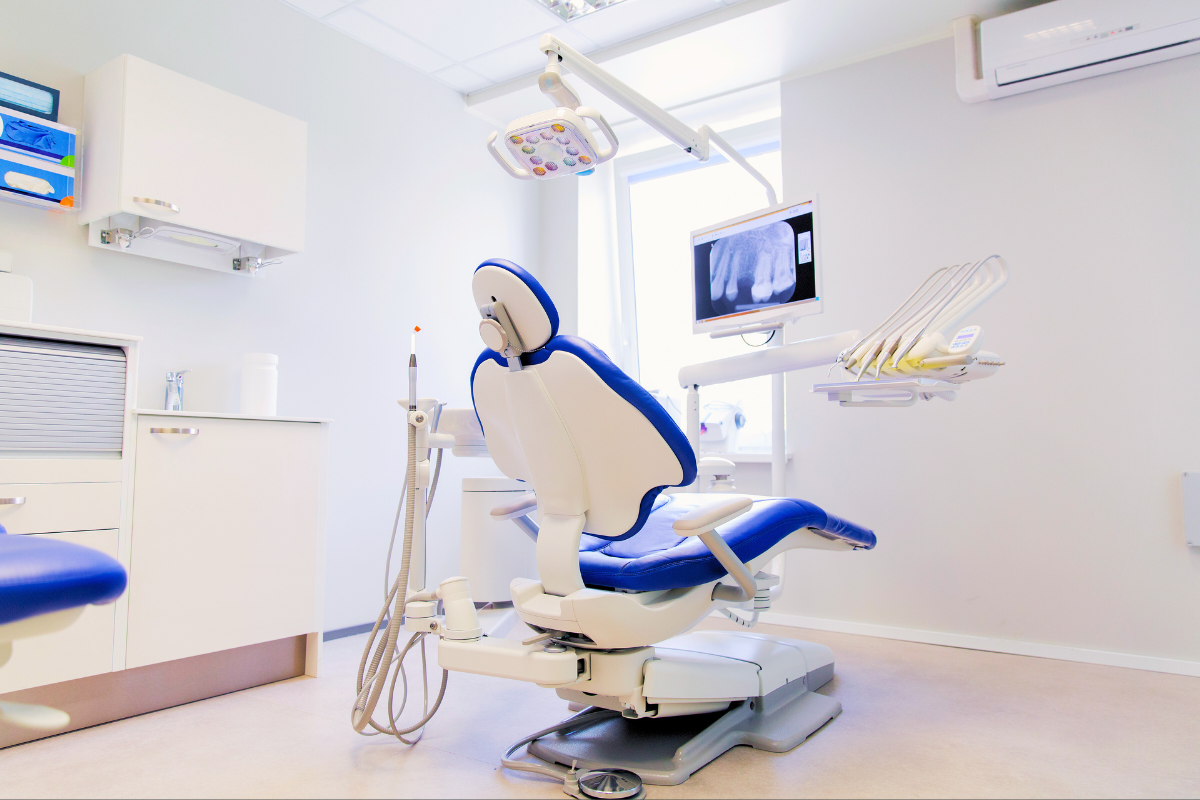
What The Government Shutdown Means for Your Practice
You may also like

Women’s Sleep Health: Midlife OSA Detection
June 15, 2026
OSHA Shifts Focus Amid Government Shutdown
As the federal government shutdown continues, many agencies are operating with minimal staff, including OSHA. Around 28 percent of its employees remain active, According to the Department of Labor’s contingency plan, 28% of OSHA employees remain active. Those who are still on duty are concentrating on situations that present an immediate threat to health or safety.
Most scheduled inspections and compliance visits are temporarily on hold, but OSHA’s response to serious hazards has not slowed. Incidents involving bloodborne pathogen exposure, needlestick injuries, or major infection control failures still trigger immediate investigations. These situations fall under OSHA’s “imminent danger” category and continue to receive full attention despite limited staffing.
What This Means for Healthcare Employers
For dental and medical practices, safety procedures still matter. Even with a smaller inspection force, OSHA investigators are handling reports related to bloodborne pathogen exposure, outdated or missing Exposure Control Plans, and improper disposal of sharps. Complaints about unsafe infection control practices or retaliation against whistleblowers are also being reviewed and escalated when needed.
OSHA has instructed its remaining personnel to approach high-risk cases with the same urgency and thoroughness as before the shutdown. Employers that experience an exposure incident or reportable injury can still expect a prompt federal response.
Fewer Inspectors Does Not Mean Less Oversight
Some may assume fewer inspectors means reduced accountability, but that is not the case. OSHA has made it clear that serious safety breaches will not be ignored because of staffing limits. The agency is prioritizing cases that could endanger employee health, including potential transmission of hepatitis B, hepatitis C, or HIV.
Use This Time to Strengthen Compliance
This slower period is a good opportunity for dental teams to revisit their safety programs and confirm that documentation and training are current. Reviewing the Exposure Control Plan, post-exposure procedures, and sharps handling policies can help reduce risk and show good-faith compliance if an incident occurs.
Smart Training continues to help healthcare and dental professionals stay inspection-ready in every circumstance. Contact Smart Training to learn how their tools and support can help your team stay confident and compliant.
If you do not agree with any part of this disclaimer, please refrain from submitting the order form. If you have any questions or concerns regarding the handling of your personal data, please contact us before proceeding with your order.
Thank you for your interest in our programs at The Vivos Institute®. We understand that sometimes circumstances may arise that require you to cancel your participation. Please review our cancellation policy carefully.
Standard Cancellation Policy:
Please Note: All cancellations are subject to an additional 7% administrative fee, regardless of how far in advance the cancellation is received.
Cancellation Process: All cancellation requests must be submitted in writing via email to ce@thevivosinstitute.com. Please include your full name, contact information, program name, and the reason for cancellation in your email.
Special Events: Please note that this cancellation policy is subject to change for special events. Specific cancellation policies for special events will be communicated at the time of registration and will supersede the standard cancellation policy outlined above.
Refund Processing: Refunds, if applicable, will be processed within 30 days of receiving the cancellation request. Refunds will be issued to the original method of payment used during registration.
Contact Information: If you have any questions or need further assistance regarding our cancellation policy, please contact us at ce@thevivosinstitute.com. We appreciate your understanding and cooperation regarding our cancellation policy. We look forward to serving you at The Vivos Institute® and hope to welcome you to our programs soon.

