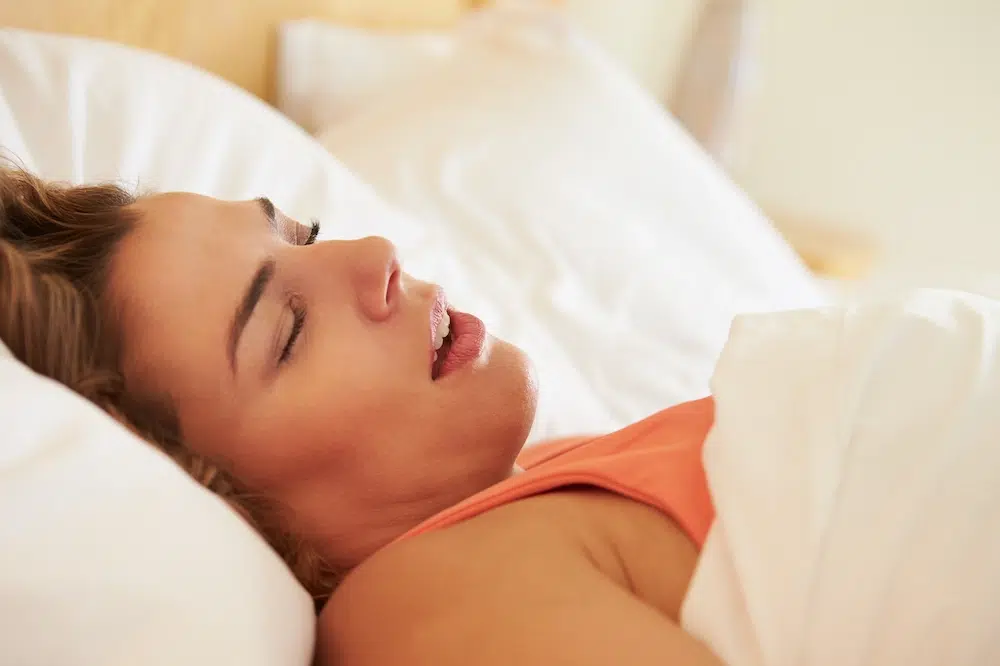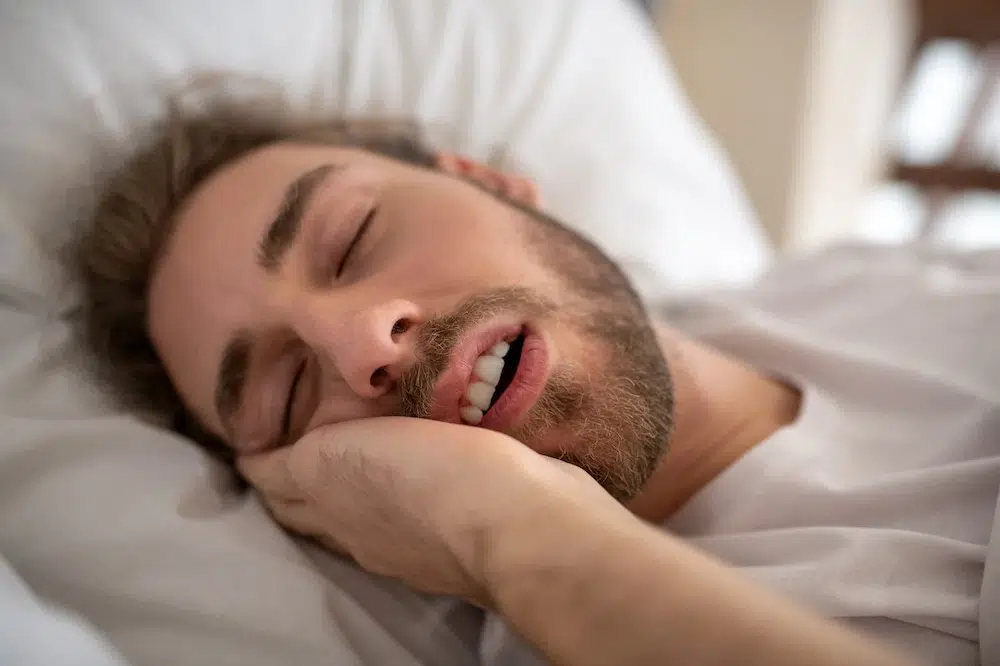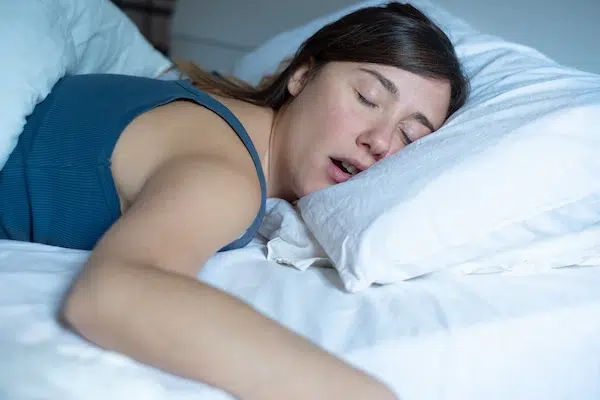
Obstructive sleep apnea (OSA) has long been considered a condition that primarily affects men. However, growing evidence shows that many women also experience OSA, yet their cases often remain undiagnosed. Traditional diagnostic models tend to focus on classic symptoms like loud snoring and witnessed apneas, which are more commonly reported in men. In women, hormonal fluctuations and less typical symptom patterns can mask the condition. Fatigue, insomnia, mood changes, and headaches are frequently overlooked signs. Understanding how hormonal factors and atypical symptoms influence OSA in women is essential for improving recognition and timely diagnosis. Why OSA In Women Is Often …
There’s a direct connection between heart health and sleep, yet sleep disorders often go unnoticed in routine medical evaluations. Among these conditions, obstructive sleep apnea (OSA) has gained increasing attention for its strong association with cardiovascular disease. Characterized by recurrent airway obstruction during sleep, OSA can lead to hypoxia and fragmented sleep patterns, placing significant strain on the heart. Growing research highlights how untreated OSA contributes to hypertension, arrhythmias, coronary artery disease, and stroke risk. Despite its serious implications, many individuals remain undiagnosed. Increasing awareness and early screening are essential steps toward identifying patients at risk and improving long-term cardiovascular …
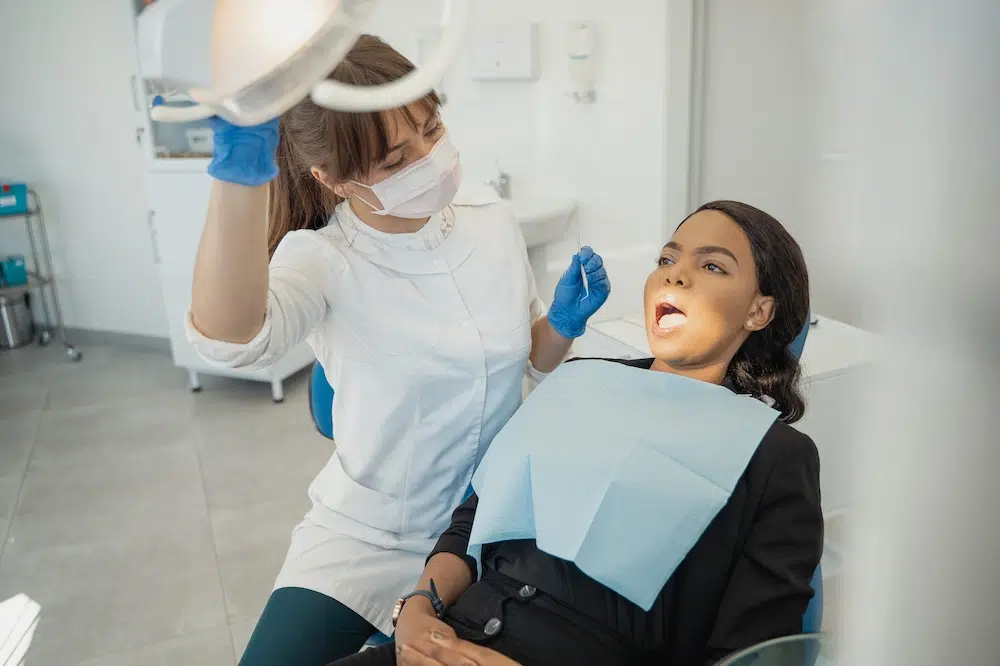
Sleep Awareness Month highlights the growing impact of obstructive sleep apnea (OSA), a condition affecting millions of adults worldwide. Yet many individuals remain undiagnosed, often living with symptoms like snoring, fatigue, and poor sleep quality without realizing the underlying cause. For dentists, this presents an important opportunity. During routine exams, dental professionals regularly observe oral and craniofacial structures that may reveal signs of sleep-related breathing disorders. By recognizing these indicators early, dentists can play a valuable role in guiding patients toward timely evaluation and improving overall health outcomes. Understanding The Prevalence Of OSA Obstructive sleep apnea (OSA) affects millions of …
Dentistry is no longer confined to treating cavities and polishing enamel. Today’s clinicians are increasingly recognizing their role in identifying conditions that extend far beyond the oral cavity, including those that affect breathing, sleep, and systemic health. Yet one critical risk factor often goes unnoticed during routine exams: compromised airway function. Sleep-Related Breathing Disorders (SRBDs) are widespread, underdiagnosed, and closely tied to craniofacial development and oral anatomy. That places dentists in a unique position to detect early warning signs, making airway screening not an optional add-on, but an essential component of comprehensive care. What Are Sleep-Related Breathing Disorders (SRBDs)? Sleep-Related …
Winter break often brings a welcome pause from rigid schedules. Later nights, flexible mornings, and relaxed routines can feel refreshing at first, but they often disrupt a household’s natural sleep rhythm. When work, school, and daily responsibilities resume, many families experience lingering fatigue, difficulty waking up, and resistance to earlier bedtimes which are common signs that sleep debt has built up over the holidays. Resetting sleep schedules does not need to be stressful or abrupt. With gradual adjustments and consistent daily habits, families can restore balanced routines, improve energy levels, and ease the transition back to structured days. Why Holiday …
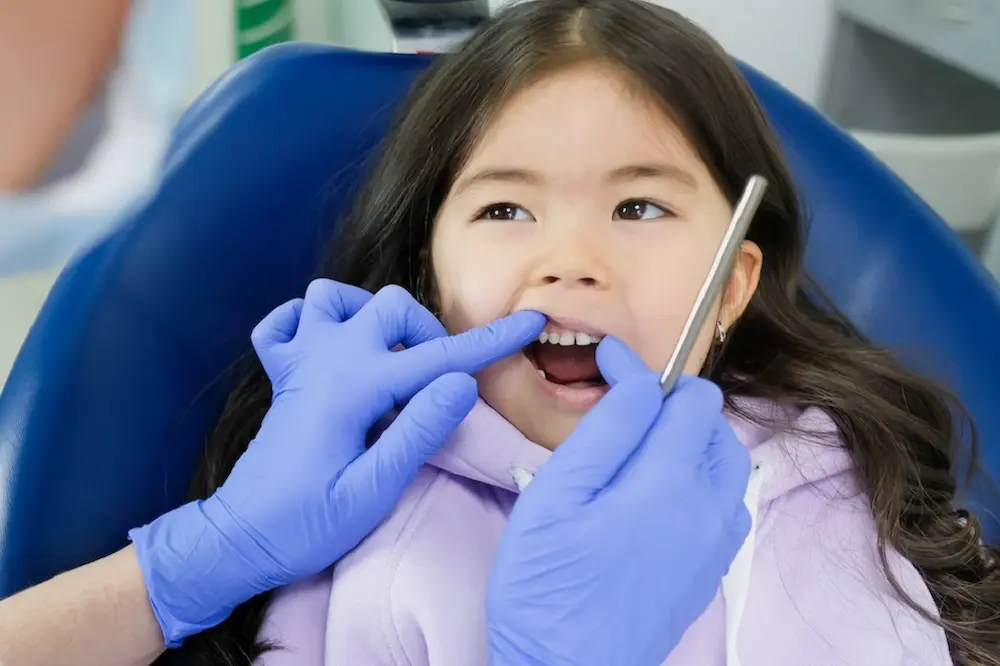
The holiday season brings joy and family celebrations, but busy schedules and disrupted routines can compromise children’s well-being. Late gatherings, travel, and dietary changes often disrupt crucial rest patterns at a time when growing bodies need the most consistent support. Maintaining sleep and airway health is fundamental to children’s development, immune function, and emotional well-being. As year-end festivities approach, families should prioritize these health foundations. This article offers a final reminder to protect sleep routines and airway health, ensuring children thrive throughout the holidays and into the new year. How Holiday Disruptions Can Affect Children’s Sleep And Airway Health Holiday …
The holiday season disrupts sleep patterns through increased stress, altered routines, dietary changes, and travel. For healthcare providers, this period presents both challenges and opportunities to address sleep health proactively. Managing sleep amid holiday stress requires understanding how these factors converge to impact patients’ wellbeing and airway health. Your clinical conversations during routine visits can make a significant difference. By offering evidence-based guidance on sleep hygiene, stress management, you help patients navigate this demanding time while preventing complications. Even brief interventions yield meaningful results for long-term health outcomes. Understanding Holiday Sleep Disruptors And Their Clinical Impact Holiday schedules introduce stress, …
Winter’s shorter days don’t just affect adults. When darkness arrives at dinnertime and mornings feel gloomy, children’s internal clocks can go haywire. You might notice your once-cheerful child becoming irritable, struggling to wake up, or fighting bedtime more than usual. These aren’t just winter blues—they’re real physiological responses to reduced light exposure that can disrupt sleep patterns and mood regulation in developing minds. The good news? Small, strategic changes to your family’s daily routine can make a remarkable difference. This practical checklist will help you create a winter wellness plan that protects your child’s sleep quality and emotional well-being throughout …
The holiday season often brings late nights, travel, and shifting routines that leave many adults feeling drained long after the celebrations end. What feels like a simple “holiday hangover” is often the result of accumulated sleep loss, in which inconsistent schedules disrupt the body’s natural rhythms and affect how we think, feel, and perform. Understanding how this sleep debt builds is essential for families looking to start the new year with clarity and energy. By recognizing the effects of disrupted rest and taking intentional steps to reset, adults can restore healthy patterns and support smoother household routines. What Happens To …
The holiday season brings excitement, celebration, and significant shifts in routine for many families. School breaks, late-night gatherings, and increased travel can quickly interrupt sleep patterns for both children and parents. These changes often influence mood, behavior, and overall energy, making it harder to fully enjoy the season. Practical, realistic strategies for busy families can help protect healthy sleep even when schedules become hectic. With thoughtful planning and flexible routines, families can participate in meaningful traditions while still supporting the rest and recovery everyone needs during this busy time of year. Understanding Why The Holidays Disrupt Sleep Holiday routines often …
Winter’s shorter days and longer nights create a perfect storm for sleep disruption and mood changes. Seasonal Affective Disorder (SAD)-a form of depression triggered by reduced sunlight-often goes hand-in-hand with poor sleep quality. When your circadian rhythm is thrown off by darkness, both your mental health and rest suffer. The good news? You’re not powerless against winter’s effects. This guide provides practical, evidence-based winter sleep hygiene tips to maintain healthy sleep routines and manage SAD symptoms throughout the darker months. From optimizing light exposure to perfecting your sleep environment, these actionable tips will help you thrive through winter. Understanding SAD …
TMJ function, airway stability, and metabolic health are tightly connected. Structural imbalance, disrupted breathing, and systemic inflammation often reinforce one another, creating cycles that influence long-term patient outcomes and overall physiological resilience. The Physiological Links Between TMJ Dysfunction And Airway Obstruction Jaw position strongly affects airway patency, with retrusion or instability reducing available space. Compensatory muscle tension in cervical and masticatory structures strains both TMJ mechanics and breathing. Shared anatomical patterns—such as retrognathia, narrow arches, or reduced tongue space—commonly link TMJ disorders to broader airway-related concerns, including sleep-related breathing disorders. Metabolic Consequences Of Sleep-Related Breathing Disorders Interrupted nighttime breathing disrupts …