
Brush Up On Airway Health: Hygiene Habits That Support Breathing
A bright smile is only part of the story—good oral care also helps you breathe easier. Daily habits like brushing, flossing, and cleaning your mouth do more than prevent cavities; they support healthy airway development and keep breathing pathways clear.
Strong oral hygiene sets the foundation for better sleep and long-term wellness. From childhood growth to adult breathing health, small daily steps can have lasting benefits. By keeping your mouth healthy, you’re also protecting one of the body’s most vital functions—breathing.
Why Oral Hygiene Matters Beyond Cavities
Oral care isn’t only about avoiding cavities—it’s closely tied to overall health. Strong hygiene habits protect the mouth, support healthy growth, and even influence the way we breathe during the day and while sleeping.
Oral Health And Whole-Body Wellness
The mouth is the gateway to the body, and its health affects more than just teeth. Gum disease and inflammation can trigger problems beyond the oral cavity. By maintaining daily brushing and flossing, you help lower the risk of systemic issues and support a healthier balance throughout the body, including airway health.
Impact On Jaw And Facial Structures
Healthy oral hygiene supports proper growth and stability of the jaw and surrounding facial structures. Plaque buildup and gum problems can interfere with normal development.
With consistent care, the foundation for craniofacial balance is strengthened, which directly influences the airway space and overall breathing function throughout a person’s lifetime.
Connection To Breathing Efficiency
Inflamed gums and poor oral health can narrow airways and strain breathing. A clean, healthy mouth reduces this stress, allowing air to move freely. Good hygiene helps keep oral tissues strong and clear, allowing the airway to function optimally while supporting restful, consistent breathing.
Key Hygiene Habits That Support Airway Development
Daily routines make a lasting impact. Brushing, flossing, and caring for the tongue don’t just maintain oral cleanliness—they create a healthy environment that supports airway structures and helps protect natural breathing patterns over time.
Brushing Effectively
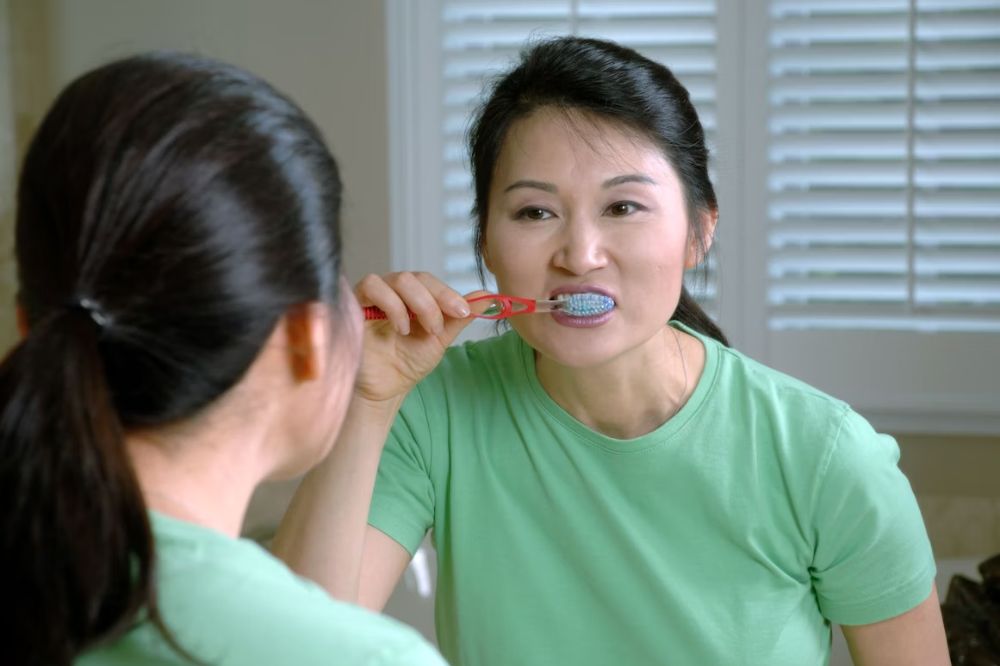
Brushing twice a day with the right technique removes plaque and bacteria that can irritate gums and tissues near the airway. Using gentle, circular motions and reaching every surface of the teeth ensures long-term oral stability, which supports balanced growth and breathing health. Consistency is key—effective brushing protects both your smile and your airways.
Flossing Daily
Flossing removes hidden buildup between teeth and under the gumline, where brushing alone cannot reach. This prevents inflammation that may affect tissues connected to the airway. A simple daily flossing routine keeps gums strong, reduces oral stress, and supports proper jaw and airway development for smoother, healthier breathing at every age.
Caring For The Tongue And Oral Tissues
The tongue plays a central role in airway health. Cleaning the tongue daily helps remove bacteria that cause odor and irritation, while also promoting good tongue posture.
Healthy oral tissues reduce the risk of obstruction and encourage free airflow. Caring for the tongue and soft tissues completes a well-rounded hygiene routine that benefits overall health and well-being, including improved breathing.
Oral Hygiene And Sleep-Related Breathing
A clean, healthy mouth supports more than smiles—it also impacts sleep. Strong hygiene habits reduce oral inflammation, keep airways open, and promote better breathing patterns, lowering the chances of disruptions during rest.
Airway Health During Sleep
When oral tissues are inflamed or compromised, the airway can narrow at night, making breathing more difficult during sleep. Maintaining oral hygiene reduces swelling and bacterial buildup, allowing air to move freely. This balance promotes deeper, more restorative sleep and supports overall health. Cleaning your oral structures at night means fewer obstacles to natural breathing.
Reducing Risks Of Sleep-Related Breathing Disorders
Daily oral care helps lower the chances of airway restrictions that may contribute to sleep-related breathing disorders. Brushing and flossing help maintain healthy tissues and reduce oral stress, thereby protecting the airway from unnecessary strain.
With healthier oral structures, breathing pathways remain more open during rest, supporting smoother airflow and reducing the risk of nighttime breathing disruptions.
The Lifelong Benefits Of Good Habits
Good hygiene routines started early in life protect breathing health well into adulthood. By keeping gums strong and tissues balanced, brushing and flossing encourage stable airway development. These habits reduce inflammation, promote restful sleep, and support overall wellness. Over time, consistency creates a healthier foundation for both oral health and breathing efficiency.
Supporting Children And Families
Healthy oral hygiene habits formed in childhood significantly influence long-term respiratory health and overall wellness. Families play a key role in shaping routines that protect both smiles and airways, ensuring children grow with strong, healthy foundations.
Early Intervention In Childhood
Starting proper oral hygiene early helps guide healthy craniofacial and airway development. Regular brushing, flossing, and professional check-ups protect children’s oral structures during crucial growth years.
Early intervention fosters balanced development, reduces the risk of future breathing problems, and sets children on a path toward lifelong health, where both oral wellness and clear breathing go hand in hand.
Parental Role In Daily Habits
Parents set the tone for oral hygiene routines by teaching children brushing and flossing skills, modeling consistent habits, and incorporating dental care into everyday life. Their guidance helps children understand the importance of oral health and its link to breathing, turning daily routines into a foundation for healthier growth and stronger airway support.
Building Habits That Last
The routines families establish during childhood often carry into adulthood. Encouraging children to value brushing, flossing, and oral care builds habits that last a lifetime. These routines not only protect oral health but also promote stable airway function, better sleep, and overall wellness. Strong, lasting habits empower children to grow into healthier adults with confident smiles.
Conclusion
Strong oral hygiene is about more than clean teeth—it helps protect the airway and supports healthier breathing. Daily habits like brushing, flossing, and caring for the tongue create a foundation for better sleep and overall wellness.
Families who establish routines early provide lasting benefits that carry into adulthood. Alongside regular dental visits and professional guidance, consistent at-home care makes a significant difference. Small steps each day lead to healthier smiles, stronger airways, and brighter, more restful lives.
You may also like


